
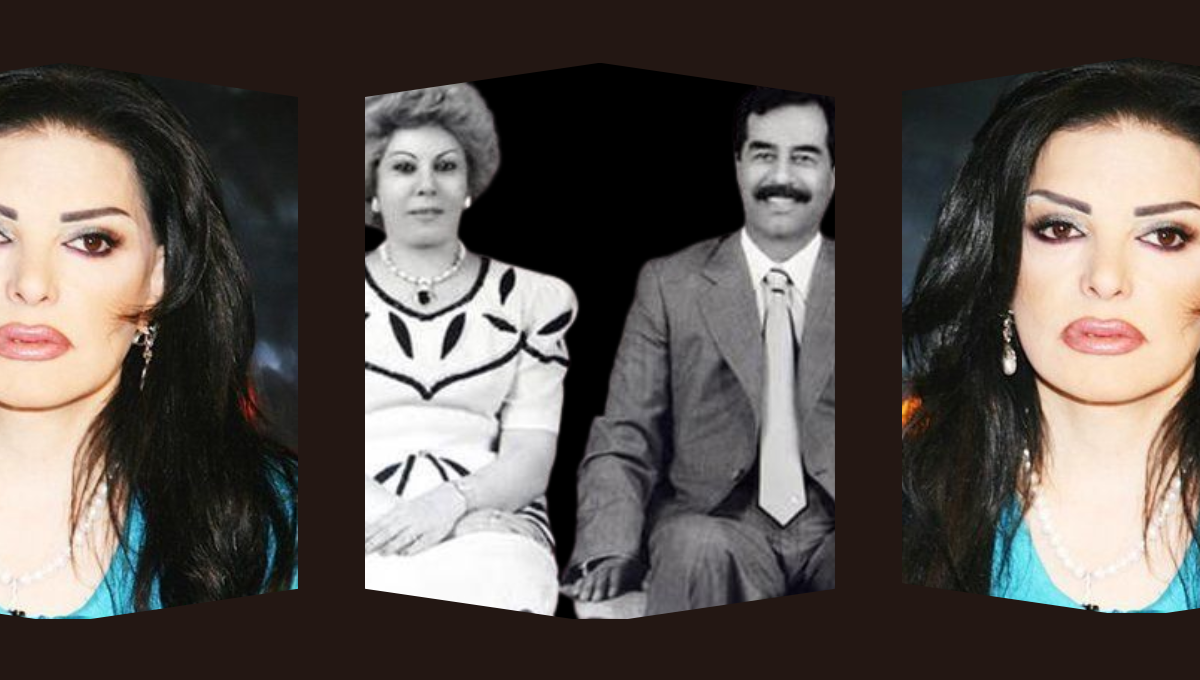
When we look at Iraq’s modern history, we often focus on politics, wars, and leadership. But behind these major events, there were many individuals who worked in science, education, and research. One of the names that occasionally appears in historical discussions is Nidal Al-Hamdani.
She is often described in connection with Iraq’s scientific research community and sometimes linked to Saddam Hussein’s personal life in various online and historical discussions. However, it is important to understand that much of her life remains undocumented or unclear in verified public records.
Despite limited information, curiosity about her continues to grow because she represents a combination of science, history, and mystery. People want to understand who she was, what she did, and why her name appears in discussions about Iraq’s past.
This article explores her background, career, and historical context in a simple, humanized, and SEO-friendly way.
“Some people shape history directly, while others remain part of it quietly in the background.”
Early Life and Background of Nidal Al-Hamdani
The early life of Nidal Al-Hamdani is not widely documented in public or international sources. Unlike modern public figures whose biographies are easily available online, many individuals from earlier decades in Iraq do not have detailed public records.
However, based on historical context, it is believed that she grew up during a period when Iraq was focusing on education and modernization. Schools and universities were expanding, and there was strong emphasis on science and technical education.
During this era, many young students pursued careers in engineering, physics, chemistry, and applied sciences. This environment encouraged intellectual growth and created opportunities for future researchers.
Although exact details about her childhood, family, and early education are not confirmed, it is widely assumed that she had a strong academic foundation that led her into scientific work later in life.
In many cases, scientists of that era were trained under government-supported educational systems, which aimed to build national expertise in science and technology.
Education and Academic Environment
Education played a very important role in shaping scientific careers in Iraq during the late 20th century. Universities were producing graduates in various technical fields, especially in science and engineering.
Nidal Al-Hamdani is believed to be part of this educated generation. While there are no widely available academic papers or official university records linked to her in global databases, her name is associated with scientific work in Iraq.
At that time, many researchers worked in government institutions rather than publishing internationally. This is one reason why documentation about her academic achievements is limited today.
It is important to understand that lack of online records does not always mean lack of contribution. Many scientists worked behind the scenes on national projects that were never publicly published.
The education system of that era focused heavily on practical scientific applications, especially in energy, industrial development, and research programs.
Scientific Career and Professional Life
One of the most discussed aspects of Nidal Al-Hamdani’s life is her involvement in scientific research.
She is often mentioned as a researcher in Iraq’s scientific community, possibly connected to energy-related studies or research institutions focused on development projects.
During that time, Iraq invested in several scientific sectors including:
- Energy research
- Engineering development
- Industrial technology
- Environmental studies
Scientists and researchers played a key role in supporting national projects. Their work was often done in structured institutions under government supervision.
Nidal Al-Hamdani is believed to have been part of this system. However, due to limited accessible records, her exact position, publications, and specific contributions are not widely available.
This lack of detail is common for many professionals from that era, especially those working in sensitive or government-linked research fields.
Still, her name continues to appear in discussions about Iraq’s scientific community, showing that she had some level of recognition in that environment.
Historical Context of Iraq During Her Time
To understand Nidal Al-Hamdani’s life, it is important to understand the political and social environment of Iraq during that period.
The country went through significant changes, including:
- Rapid modernization efforts
- Scientific development programs
- Wars and international conflicts
- Economic sanctions in later years
Despite challenges, Iraq invested in building scientific institutions and research centers. Many professionals worked under strict conditions but contributed to national development.
This environment shaped the careers of many scientists, including those who remain less known today.
Life during this period was not easy for researchers. Political conditions often influenced scientific work, funding, and international collaboration.
This context also explains why many individuals from that era have limited public documentation available today.
Connection to Saddam Hussein (Reported Historical Discussion)
One of the reasons Nidal Al-Hamdani is widely searched online is her reported connection to Saddam Hussein.
Some historical accounts and online sources suggest she may have been linked to him personally, with some claims describing her as a spouse. However, these details are not consistently verified across all reliable historical references.
Saddam Hussein’s personal life has been widely studied, but not all relationships are clearly documented in academic or official records.
Because of this, it is important to treat such information carefully and avoid absolute claims.
What can be said with confidence is that her name appears in discussions related to Saddam Hussein’s biography and Iraq’s political history.
This connection has increased public curiosity about her identity and life story.
Why Her Story Attracts Public Interest
There are several reasons why people continue to search for Nidal Al-Hamdani:
First, she is associated with Iraq’s political and historical narrative, which naturally draws global attention.
Second, her identity as a scientist adds interest, especially for readers who study Middle Eastern scientific development.
Third, limited verified information increases curiosity. When details are unclear, people search more to find answers.
Finally, biography content related to historical figures tends to perform well in SEO, which leads to more articles and discussions about her
Challenges in Finding Verified Information
One of the biggest challenges in writing about Nidal Al-Hamdani is the lack of confirmed public records.
Many individuals from Iraq’s scientific community during that time did not have their work digitized or widely published internationally.
Additionally, political instability and historical conflicts led to loss or limited access to archival data.
Because of this, researchers and writers must rely on fragmented information and careful interpretation.
This makes it essential to present her story in a balanced and responsible way without exaggeration.
Personal Life and Privacy
Nidal Al-Hamdani is often described as a very private individual, and this is one of the main reasons why detailed information about her personal life is not widely available.
In many historical cases, individuals who worked in scientific or government-related fields preferred to stay away from public attention. This allowed them to focus on their work without media exposure.
Her personal relationships, family structure, and private lifestyle are not clearly documented in verified public sources. As a result, most available information about her comes from historical references rather than direct public records.
Privacy can often increase curiosity, and in her case, this is exactly what happened. The less information available, the more interest people show in learning about her story.
Reported Connection to Saddam Hussein
One of the most discussed aspects of Nidal Al-Hamdani’s life is her reported connection to Saddam Hussein.
Some sources suggest she may have been his third wife, while other historical accounts do not confirm this claim clearly. Because of these conflicting references, it is important to treat this information carefully.
Saddam Hussein’s personal life has been widely analyzed, but not all relationships are consistently verified across academic or historical archives.
What remains consistent is that her name appears in discussions related to his biography, which has increased public curiosity about her identity.
However, without fully verified documentation, her exact personal relationship status remains uncertain.
This uncertainty is one of the reasons why her biography continues to attract attention in online research.
Net Worth and Financial Background
There is no verified public record of Nidal Al-Hamdani’s net worth.
Unlike celebrities, business figures, or publicly listed individuals, scientists working in government or institutional roles typically do not have publicly disclosed financial information.
Any online estimates of her wealth are speculative and not based on official data.
It is also important to understand that her significance is not related to financial status but rather to her connection with science and historical discussions.
In many cases, scientists and researchers contribute to society in ways that cannot be measured through money alone.
Public Interest and Online Searches
The name Nidal Al-Hamdani continues to appear in online searches for several reasons:
First, her association with Iraq’s scientific community makes her part of historical research discussions.
Second, her reported link with Saddam Hussein increases global curiosity, especially among readers interested in political history.
Third, limited verified information leads people to search for more details, which keeps her name active in digital platforms.
In the modern internet era, even small mentions in historical or political contexts can generate long-term search interest.
This is exactly what has happened with her biography.
Legacy and Historical Importance
The legacy of Nidal Al-Hamdani is not defined by fame or public recognition but by her presence in historical and scientific narratives.
She represents a group of individuals who worked in scientific environments during politically complex times.
Even though detailed records are missing, her name continues to be associated with Iraq’s research and development history.
Her story also highlights how many professionals remain unrecognized in public history despite contributing to important national efforts.
Legacy is not always about visibility; sometimes it is about presence within historical context.
Lesser-Known Facts About Nidal Al-Hamdani
There are several important points that help us understand her story better:
- There is no widely confirmed academic publication directly linked to her in global databases
- Most information about her comes from secondary historical discussions
- Her life remains largely undocumented in public records
- She is mainly known due to her association with Iraq’s political history
- Her scientific work is mentioned but not deeply detailed in accessible archives
These facts show that her biography is more historical and contextual rather than fully documented.
Historical and Social Context
To understand her better, it is important to consider Iraq’s environment during her time.
The country was going through major changes, including scientific development programs and political challenges.
Researchers often worked under strict conditions, and many scientific projects were not publicly shared.
This environment contributed to limited documentation of many professionals from that era.
Because of this, several scientists and researchers remain partially unknown today despite their contributions.
Why Her Story Still Matters Today
Even with limited information, Nidal Al-Hamdani’s story remains relevant for several reasons:
It reflects the role of scientists in developing countries during politically complex times.
It also shows how historical figures can become subjects of curiosity even when documentation is limited.
Additionally, her name continues to appear in discussions about Iraq’s past, which keeps her biography relevant in modern research.
Her story is not just about one individual but about a broader historical system where many contributors remain unrecognized.
Conclusion
Nidal Al-Hamdani remains a mysterious and interesting figure in historical discussions about Iraq.
While verified details about her life are limited, she is often mentioned in relation to scientific work and Saddam Hussein’s historical biography.
Her story reflects a larger reality: many individuals who contributed to science and national development remain outside public recognition.
Despite this, their presence continues to be part of historical memory and online research.
As interest in historical biographies grows, names like Nidal Al-Hamdani continue to attract attention due to their connection with significant political and scientific narratives.
Frequently Asked Questions (FAQ)
Who is Nidal Al-Hamdani?
She is described in historical discussions as an Iraqi scientist associated with research work and political history narratives.
Was she married to Saddam Hussein?
Some sources suggest this, but it is not fully confirmed in reliable historical records.
What was her profession?
She is believed to have worked in Iraq’s scientific research sector.
Is her net worth known?
No verified financial information or net worth details are publicly available.
Why is she famous?
Her name is mainly known due to her connection with Iraq’s scientific community and Saddam Hussein-related discussions.
Why is information about her limited?
Due to historical, political, and archival limitations from that era, many records are incomplete or not publicly accessibl
Joylette Goble: The Untold Story of Katherine Johnson’s Daughter
